AI Cost Estimation
 AI Project Scheduling
 AI Risk Assessment & Mitigation
 AI Labor Estimation
 Work Breakdown Structure
 Design for Manufacturing (DFM)
 Should Cost Analysis
 Price to Win (PtW)
 Total Cost of Ownership
 Design to Cost
 RFI, RFP, RFQ


Mastering Cost Risk with the CRED Model: A New Approach to Managing Uncertainty

New: SEERai by Galorath
With SEERai, teams move from raw data to estimates in hours instead of weeks. Every output is traceable, audit-ready, and designed to improve decisions across estimating, sourcing, and risk.
Introducing SEER by Galorath
SEER Overview →Galorath’s platform combines trusted cost logic with AI to deliver fast, structured estimates that drive better decisions from design through delivery.
AI use cases
See AI Use Cases →Essential use cases
See All Use Cases →
Cutting advisory contracts without rebuilding organic estimation capacity does not reduce cost. It reduces the ability to know what things cost.
Cutting consultants is a budgetary decision. Maintaining cost confidence is a capability decision. The two are not the same.
Defense Secretary Hegseth’s May 2025 memo imposed DOGE pre-approval requirements on all advisory and assistance services (A&AS) contracts above $1 million and IT consulting contracts above $10 million. The FY2026 budget documents identified $11.1 billion in DOGE-related cuts, with advisory and assistance services among the primary targets. The policy rationale centers on eliminating redundant consulting spend and forcing components to justify work that cannot be performed in-house.
Independent cost estimates, should-cost analyses, and program office cost support across DoD rely heavily on contractor analysts. Firms like Tecolote, SAIC, and Booz Allen staff the teams that build work breakdown structures, calibrate parametric models, run sensitivity analyses, and prepare the documentation that DCAA and GAO review. The DoD Cost Estimating Guide prescribes rigorous processes for independent cost estimates and cost analysis, but it does not prescribe who performs the work. In practice, contractor analysts perform a substantial share of it. When A&AS contracts are cut or frozen pending DOGE review, the analytical capacity behind those processes contracts with them.
The Hegseth memo requires components to demonstrate that contracted work cannot be done organically before seeking approval. That test assumes organic capacity exists. For cost estimation, it often does not. The defense cost analysis workforce has faced recruitment and retention challenges for years; the work demands specialized quantitative skills, domain knowledge of acquisition programs, and fluency in parametric tools. Agencies that lose contractor support without a concurrent plan to hire, train, and retain organic estimators will not save money. They will produce fewer estimates, more slowly, and with less rigor. Each of those outcomes increases acquisition risk and weakens the cost positions that inform source selections and budget justifications.
The DOGE initiative raises a legitimate question about the defense establishment’s dependence on contracted analytical support. The answer, though, is not to remove that support before an alternative is in place. Organizations that have already invested in governed estimation workflows, institutional knowledge capture, and structured modeling tools are better positioned to absorb these disruptions. Those who have not will discover the cost of the gap when the next major program review finds no defensible estimate behind the numbers.
10-Step Estimation Process Checklist
View our 10 Step Estimating Process Checklist. This checklist should be tuned to the individual company’s needs and suggestions.

Estimating Total Cost of Ownership (TCO)
Find out how you can use Total Cost of Ownership (TCO) model to create an estimate which includes all the costs generated over the useful life of a given application.

Should Cost Analysis
Learn how Should-Cost Analysis can identify savings opportunities and drive cost efficiency in procurement and manufacturing processes.
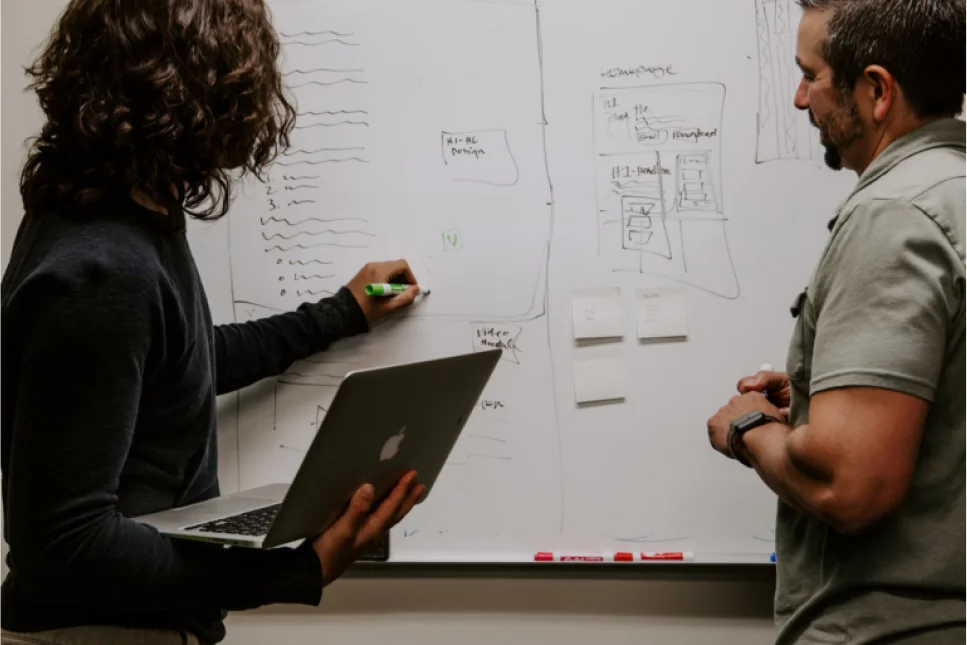
ROM Estimate: The First Step Towards a Detailed Project Plan
Find out what ROM (rough order of magnitude) estimate is and why is it a crucial element of every project planning cycle.
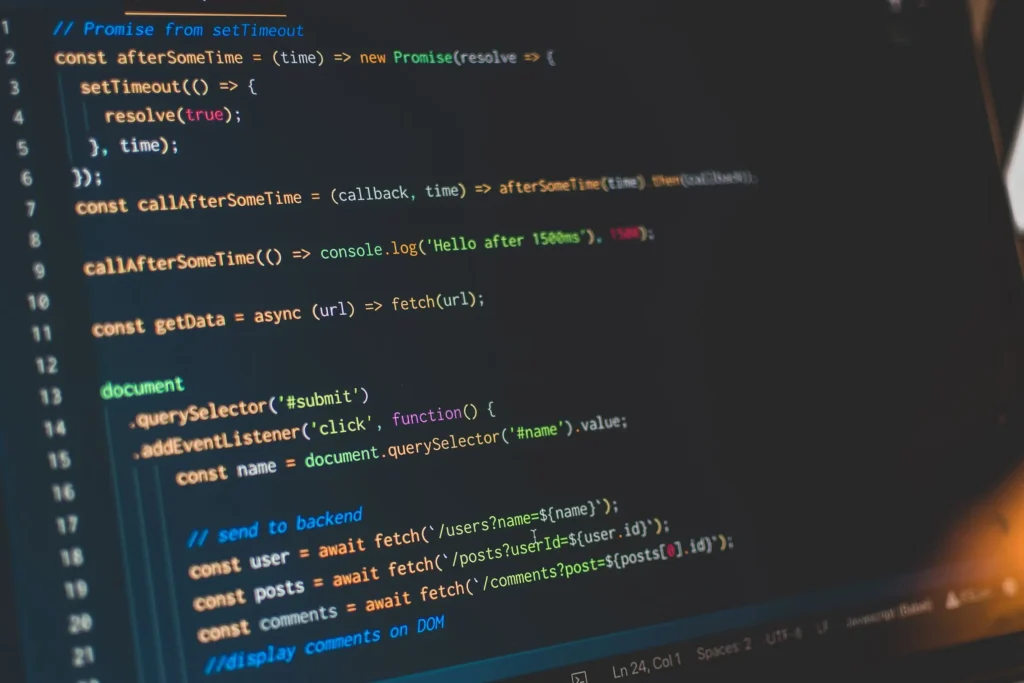
Software Maintenance Cost
Find out why accurate estimation of software maintenance costs is critical to proper project management, and how it can make up to roughly 75% of the TCO.


Share this:


Get access to news
Sign up to get relevant news in your inbox - never miss it!