
Should cost modeling software for smarter, faster sourcing decisions
Should-cost analysis gives engineering, sourcing, and finance teams a structured way to evaluate quotes, model alternatives, and avoid overpaying. Galorath’s platform supports this process through SEER® and SEERai™, which combine AI and parametric cost modeling to deliver accurate, data-driven insight for confident negotiation and forward-looking planning.

Model Smarter, Source with Confidence
Structure Costs Across the Lifecycle
Support Sourcing, Design, and Delivery

What Is Should Cost Software?
Should cost analysis software models expected costs to support better sourcing and planning decisions
Should cost analysis software helps teams model the true cost of goods or services based on inputs like materials, labor, overhead, and risk. Instead of relying solely on supplier quotes, a should cost solution allows users to benchmark pricing, uncover cost drivers, and identify savings. SEER’s should cost modeling software is built for sourcing, engineering, and finance teams working on complex projects. It supports early trade studies, supplier negotiations, and design-to-cost initiatives with structured, defendable estimates.
SEER for Cost Modeling and Analysis
SEER is a should cost analysis software that models true cost for smarter sourcing and planning
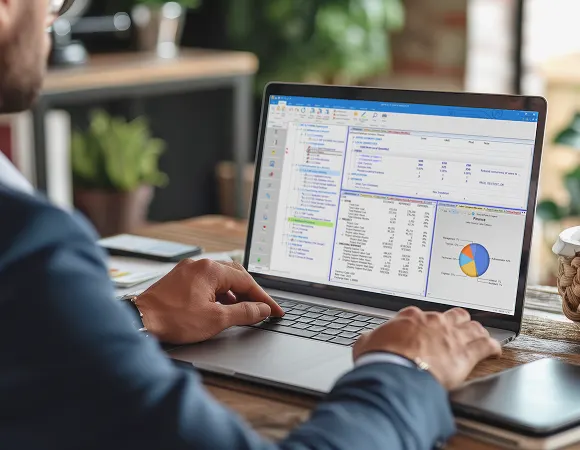
SEER is a should cost analysis software that helps teams evaluate and model cost with clarity and consistency. It breaks down every element of a product or service, including materials, labor, overhead, and risk, to reveal what it should cost. This structure helps sourcing, engineering, and finance teams benchmark supplier quotes, uncover savings, and improve planning. SEER’s parametric cost modeling engine delivers fast, explainable results that support better decisions across procurement, design, and program management.
Explore SEER’s Cost Analysis Uses
Support better sourcing, planning, and supplier decisions with SEER
SEER helps teams break down, model, and assess cost with structured logic designed for real-world sourcing decisions.

Model should cost by component
Estimate the true cost of parts and assemblies based on materials, labor, and production processes.

Compare supplier quotes quickly
Analyze incoming quotes against modeled costs to detect overpricing or identify negotiation leverage.

Support design-to-cost efforts
Evaluate cost impacts during product development to align design decisions with target budgets.

Run trade studies with ease
Model multiple sourcing or design options to find the best balance of cost, risk, and schedule.

Benchmark with real-world logic
Use parametric models based on historical and validated data to create defendable cost benchmarks.

Integrate with sourcing workflows
Export structured cost data into procurement or ERP systems to align planning across teams.
Why Modeling Matters in Costing
Should cost modeling software shows how each driver impacts total cost
Modeling is central to effective should cost analysis. SEER’s should cost modeling software helps teams break down a product or service into the elements that drive cost, including materials, labor, tooling, overhead, and risk. Instead of relying on past quotes or static spreadsheets, teams can model how design choices, supplier options, or production changes affect total cost. This structured, data-backed approach gives teams the insight to challenge assumptions, improve sourcing decisions, and avoid hidden cost overruns.
Apply Modeling Across Functions
Use SEER’s should cost solution to support sourcing, design, and program leadership
SEER supports smarter cost decisions across your organization. From sourcing to design to program governance, teams use structured modeling to plan, negotiate, and manage more effectively.
Validate Supplier Quotes
SEER compares supplier quotes to modeled costs, helping sourcing teams detect inconsistencies, flag overpricing, and gain leverage in negotiations with traceable estimates.
Embed Cost Intelligence in Design
Designers use SEER to explore how material, process, and volume choices affect cost. The modeling supports early design-to-cost goals and helps balance innovation with affordability.
Governing Complex Programs with Traceability
Program leads use SEER to model cost scenarios, document assumptions, and maintain traceability. This supports audits, compliance, and long-term program control across key milestones.
Ground Sourcing Decisions in Defensible Cost Models
Galorath’s platform delivers should-cost estimates using historical data, part complexity, and risk logic. Procurement teams gain clarity and confidence in supplier negotiations.
Explore our Case Studies
Parametric Costing Saves 1,000 Hours and Promotes Savings
Parametric costing work cut estimation time by 1,000 hours and highlighted cost-effective design options. The platform empowered sourcing decisions with rapid, defensible analysis.
Read more →

“The SEER tools are equally strong at estimating both software and hardware costs. When you use a parametric model like SEER, you reduce uncertainty by deconstructing the project into smaller, well-defined components, the cost estimate of which can be more readily critiqued by the technical and program management staff. SEER is easy [to use] and intuitive.”
Frequently Asked Questions (FAQ)
How does SEER compare to other should cost analysis tools?
SEER offers advanced parametric modeling, scenario simulation, and built-in risk logic. Unlike basic spreadsheets or template-based tools, SEER delivers explainable estimates backed by industry data.
Can SEER validate supplier quotes using real-world data?
Yes. SEER compares supplier quotes to structured cost models based on historical data, engineering logic, and verified inputs. This helps teams spot discrepancies and justify negotiations.
Is SEER’s should cost software suitable for defense and aerospace?
Yes. SEER is widely used in defense and aerospace to support complex systems, multi-tier supply chains, and compliance-driven estimates. It supports traceability and structured approvals.
Can SEER integrate with my ERP or sourcing platform?
Yes. SEER supports data export and integration with procurement, ERP, and PLM systems. This helps teams align cost modeling with enterprise workflows and sourcing decisions.
Model should cost for parts, services, and systems to support better sourcing decisions.
Compare vendor quotes, explore alternatives, and negotiate with confidence using SEER’s should cost analysis capabilities.
Book a ConsultationTrusted by leaders in the industry:
